Description
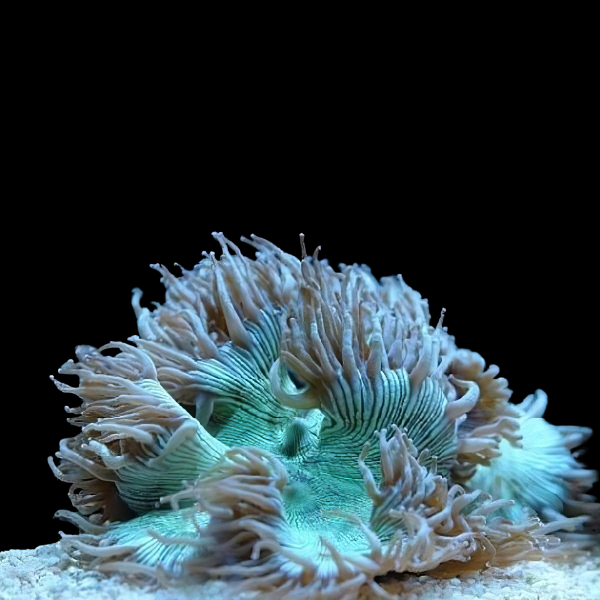
Coral Sea Elegance Comb Hard Coral (Catalaphyllia sp.)
(Also known as Elegance Coral, Wonder Coral, or Ridge Coral)
Overview
The Coral Sea Elegance Coral (Catalaphyllia sp.) is one of the most stunning and graceful large-polyp stony (LPS) corals, prized for its long, flowing tentacles and brilliant colours. Tentacles can vary from vibrant green, gold, and purple to metallic blue or pink tips, radiating from a meandering ridge-shaped skeleton. When expanded, Catalaphyllia displays a soft, swaying motion that adds elegance and life to any reef display. Though hardy in the right conditions, this coral requires careful placement and moderate flow to avoid tissue damage, making it best suited for aquarists with some LPS experience.
Origin
Native to the Indo-Pacific region, particularly around the Coral Sea, Great Barrier Reef, Fiji, and Indonesia. Found in sheltered lagoons and sandy reef slopes, often partially buried in soft substrate with moderate light and gentle current.
Feeding
The Elegance Coral is photosynthetic, hosting symbiotic zooxanthellae that supply much of its nutritional needs. However, it benefits from regular supplemental feeding to promote polyp expansion, colour, and growth. Offer 1–2 feedings per week of:
-
Mysis shrimp, brine shrimp, or finely chopped marine meat
-
Specialized LPS coral foods or marine snow
-
Occasional amino acid and trace element supplements
Feed in the evening or when tentacles are extended. Avoid overfeeding, which can foul the water.
Lighting
Moderate lighting. Provide bright but indirect illumination from LED, T5, or metal halide lighting systems.
-
PAR range: 100–200 µmol/m²/s
-
Too much light can cause bleaching or retraction; too little light leads to fading and poor expansion.
-
Blue-spectrum lighting enhances its natural fluorescent glow.
Water Flow
Low to moderate, indirect flow. Gentle, variable current is ideal — strong directional flow can tear the coral’s delicate tissue or prevent full polyp expansion. Movement should be just enough to keep detritus from settling.
Placement
-
Best placed on the sandy substrate, allowing the base to rest naturally and prevent tissue abrasion on sharp rockwork.
-
Alternatively, place in a low-flow area of the lower rockwork, ensuring the fleshy tissue does not rub against rough surfaces.
-
Allow 15–20 cm (6–8 inches) of clearance from other corals due to its long, stinging sweeper tentacles (up to 10 cm / 4 inches).
Tank Mates
Reef safe with caution. Compatible with:
-
All reef-safe fish (clownfish, gobies, tangs, blennies, etc.)
-
Peaceful invertebrates such as shrimp, snails, and hermits
-
Other LPS and soft corals placed at a safe distance
Avoid:
-
Aggressive stinging corals (e.g., Galaxea, Hydnophora, Euphyllia) nearby
-
Butterflyfish, angelfish, or puffers that may nip at fleshy tentacles
Aggression
Moderately aggressive. Catalaphyllia extends long, potent stinging tentacles to defend territory. Maintain generous spacing to prevent chemical or physical damage to neighbouring corals.
Experience Level
Intermediate. While hardy under stable conditions, the Elegance Coral is sensitive to strong flow, fluctuating water parameters, and excessive light. It thrives best in mature, stable reef systems with consistent care and moderate nutrient levels.
Water Parameters
-
Temperature: 24–27°C (75–81°F)
-
pH: 8.1–8.4
-
Salinity: 1.024–1.026 SG
-
Hardness (dKH): 8–12
-
Calcium: 400–450 ppm
-
Magnesium: 1250–1350 ppm
-
Nitrate: <10 ppm
-
Tank Size: Minimum 75 gallons (280L) for stability and adequate flow zones
Stable alkalinity and calcium are vital for maintaining its skeletal health and overall vitality.
Reef Compatibility
Reef safe with caution. The Coral Sea Elegance Coral is a captivating centrepiece species that adds dramatic movement and colour to LPS and mixed reefs. Its flowing tentacles and fluorescent tones make it a standout under blue lighting, but it requires space and gentle conditions to thrive without conflict.