Description
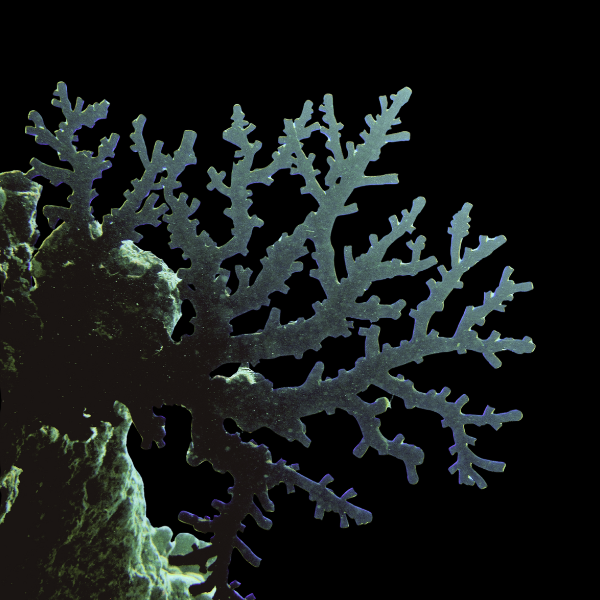
Coral Sea Sun Black Hard Coral (Tubastraea sp.)
(Also known as Black Sun Coral, Sun Coral, or Tubastraea Coral)
Overview
The Coral Sea Sun Black Coral (Tubastraea sp.) is a breathtaking non-photosynthetic large-polyp stony (LPS) coral, admired for its brilliant orange, yellow, or golden polyps that emerge from a striking dark, black or purple skeleton. Unlike most corals, Tubastraea relies entirely on captured food rather than light for nutrition, making it a standout feature in shaded reef zones or NPS (non-photosynthetic) aquariums. When fully extended, its tentacles form a radiant, flower-like display that glows vividly under actinic or blue LED lighting. While hardy and long-lived, Tubastraearequires regular feeding and stable water quality, making it a coral best suited for dedicated reef keepers.
Origin
Native to the Coral Sea, Great Barrier Reef, Fiji, Tonga, and the Indo-Pacific region. Typically found on shaded reef ledges, cave entrances, and overhangs at moderate depths, where light is low but planktonic food is abundant.
Feeding
The Black Sun Coral is non-photosynthetic and must be fed regularly to survive. It extends its polyps primarily at night to capture drifting plankton and small particles. Offer small, frequent feedings (3–5 times per week) of:
-
Enriched brine shrimp, mysis shrimp, or finely chopped seafood
-
Marine plankton or coral micro foods
-
Reef nutrition blends (e.g., Reef-Roids, Coralific Delite)
Target feeding with a pipette or turkey baster works best — gently waft food over extended polyps to encourage capture. Consistent feeding is essential for polyp health, colour intensity, and skeletal growth.
Lighting
Low lighting. Tubastraea does not contain zooxanthellae and gains no nutritional benefit from light.
-
Place in shaded or dimly lit areas of the aquarium.
-
Excess light encourages algae growth on the coral’s surface, which can smother polyps.
Water Flow
Moderate, indirect flow. Provide enough water movement to deliver food and remove waste without disturbing the extended polyps. A steady, alternating current helps mimic the coral’s natural environment.
Placement
-
Place under ledges, overhangs, or in shaded cave areas to protect from direct light.
-
Attach securely to live rock or stable surfaces using coral glue or epoxy.
-
Avoid placing in open, high-light areas where algae can overgrow its surface.
Tank Mates
Reef safe. Compatible with:
-
All peaceful reef-safe fish (gobies, tangs, blennies, cardinalfish, etc.)
-
Reef-safe invertebrates (shrimp, snails, hermit crabs)
-
Other LPS or soft corals that do not require high light
Avoid:
-
Fish that pick at coral polyps (butterflyfish, large angelfish)
-
Corals or anemones with aggressive stinging tentacles nearby
-
Grazing invertebrates that might disturb polyps during feeding
Aggression
Peaceful. Tubastraea does not possess long sweeper tentacles or aggressive stings. However, it should still be given a few centimetres of space to avoid irritation from neighbouring species.
Experience Level
Intermediate to advanced. While hardy once feeding is established, this coral’s dependence on manual feeding and susceptibility to algae overgrowth require commitment and consistent care. Ideal for experienced reef keepers or those maintaining a dedicated non-photosynthetic coral system.
Water Parameters
-
Temperature: 24–27°C (75–81°F)
-
pH: 8.1–8.4
-
Salinity: 1.024–1.026 SG
-
Hardness (dKH): 8–12
-
Calcium: 400–450 ppm
-
Magnesium: 1250–1350 ppm
-
Nitrate: <10 ppm
-
Tank Size: Minimum 75 gallons (280L) for stability and adequate space
High-quality filtration, strong skimming, and regular water changes are essential to handle the bioload from frequent feeding.
Reef Compatibility
Reef safe. The Coral Sea Sun Black Coral adds stunning visual appeal to shaded reef areas, with its bright, flower-like polyps providing a striking contrast to surrounding rockwork. Perfect for NPS displays, twilight reef zones, or aquarists seeking a vibrant coral that thrives beyond the typical high-light environment.