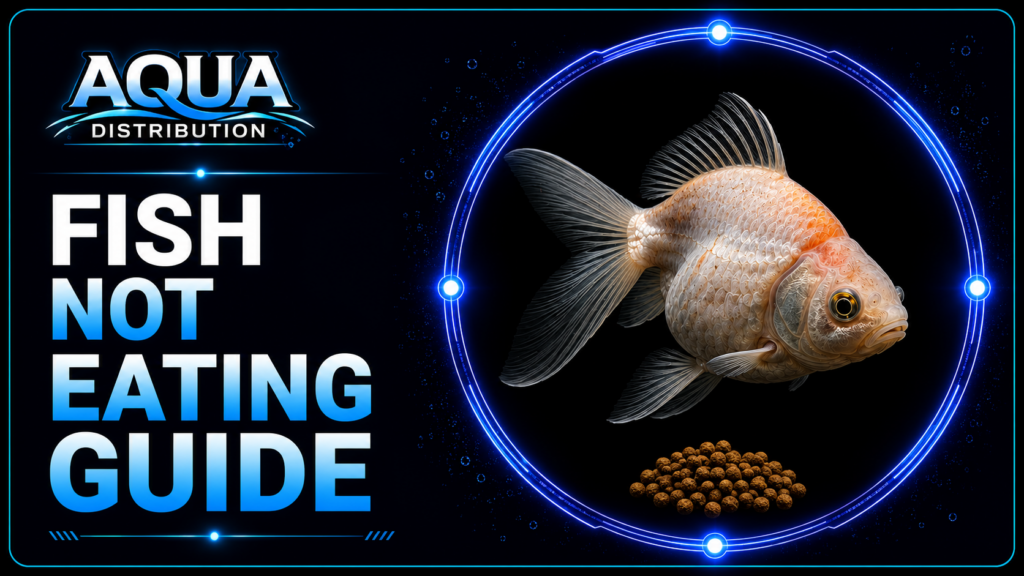
This complete fish not eating guide covers everything you need to know about why aquarium fish lose their appetite and what you can do to help. Learn the most common causes of poor feeding, including water quality problems, stress, illness, incorrect diet and environmental changes, along with the best ways to diagnose and resolve each issue. It also explains when a loss of appetite is normal, when it could indicate a serious health problem, and how to prevent feeding issues through proper aquarium care and maintenance.
Fish Not Eating At A Glance
Loss of appetite is common in aquarium fish, but it should always be checked against water quality, stress, illness and recent changes.
Why Do Fish Stop Eating?
A healthy fish will normally show interest in food within seconds of feeding. When appetite suddenly decreases or disappears, it is usually a sign that something has changed in the fish’s environment, health or stress levels.
Water Quality Problems
Elevated ammonia, nitrite or nitrate levels are among the most common causes of appetite loss. Poor water quality creates stress and can quickly make fish refuse food.
Stress & Environmental Changes
New tank mates, recent maintenance, transport, loud surroundings or sudden changes in temperature can cause fish to stop feeding temporarily.
Underlying Illness
Bacterial infections, parasites and internal health issues often present with loss of appetite as one of the earliest warning signs.
Food Preference Issues
Some fish simply dislike certain foods. Changes in diet, stale food or inappropriate food size can sometimes explain feeding problems.
Reasons Your Fish May Not Be Eating
Appetite loss can happen for simple reasons, but it can also be an early warning sign that your aquarium needs attention.
Incorrect Temperature
Fish may stop eating when the water is too cold, too warm or changing too quickly.
Poor Water Quality
Ammonia, nitrite or high nitrate levels can make fish stressed, weak and unwilling to feed.
Bullying Or Competition
Timid fish may avoid feeding if dominant tank mates chase them away from food.
Disease Or Parasites
Internal parasites, bacterial infections and other illnesses often reduce appetite before other symptoms become obvious.
Water Conditions To Check First
Before assuming your fish is sick, test your aquarium water. Poor water quality is one of the most common reasons fish stop eating and become stressed.
Ammonia
Ammonia should always be 0 ppm. Even small amounts can irritate the gills, cause stress and quickly reduce appetite.
Nitrite
Nitrite should also remain at 0 ppm. Elevated levels reduce oxygen transport within the fish and commonly lead to lethargy and feeding issues.
Nitrate
High nitrate levels can gradually stress fish over time. Regular water changes help maintain a healthy appetite.
Temperature
Ensure your aquarium is within the correct temperature range for the species you keep. Sudden changes often cause fish to stop feeding.
How To Get Your Fish Eating Again
The best treatment depends on the cause. Start with the simplest checks first and work through potential problems systematically.
Perform A Water Test
Test ammonia, nitrite, nitrate and temperature immediately. Correcting water quality issues often restores appetite within a few days.
Carry Out A Partial Water Change
A 20–30% water change can improve water quality and reduce stress without causing sudden environmental shifts.
Try More Appealing Foods
Frozen foods, live foods and species-specific diets are often more tempting than standard flakes or pellets.
Treat Any Underlying Illness
If symptoms such as white spots, bloating, rapid breathing or weight loss are present, identify the disease and begin appropriate treatment.
Reduce Stress
Minimise sudden changes, reduce bright lighting if necessary and ensure aggressive tank mates are not causing feeding problems.
Signs That Require Immediate Attention
Some fish may skip a meal occasionally without cause for concern. However, prolonged appetite loss combined with other symptoms often indicates a more serious issue.
Not Eating For Several Days
Most tropical fish should not go extended periods without food. A fish refusing food for several days should be investigated further.
Visible Weight Loss
A sunken stomach, thinning body shape or loss of muscle mass often indicates parasites, disease or long-term feeding problems.
Rapid Breathing
Fast gill movement alongside appetite loss can point towards poor water quality, gill disease or oxygen-related issues.
Additional Symptoms
White spots, ulcers, bloating, clamped fins, unusual swimming behaviour or isolation from tank mates should never be ignored.
How To Prevent Feeding Problems
Most appetite issues can be avoided through good aquarium maintenance, stable water conditions and proper feeding practices.
Test Water Regularly
Monitor ammonia, nitrite, nitrate and temperature routinely to catch problems before they affect fish health.
Maintain Consistent Water Changes
Regular partial water changes help keep water quality stable and reduce long-term stress.
Feed A Varied Diet
Offering a mixture of pellets, flakes, frozen and live foods helps maintain interest and provides balanced nutrition.
Choose Compatible Tank Mates
Avoid aggressive species that may bully quieter fish and prevent them from feeding properly.
Observe Fish Daily
Early detection of behavioural changes makes it much easier to identify and correct potential problems.
Fish Not Eating FAQs
Quick answers to the most common questions about fish refusing food.
How long can a fish go without eating?
Many healthy adult fish can miss food for a short period, but refusing food for several days should be investigated, especially if other symptoms are present.
Should I keep feeding if my fish is not eating?
Offer very small amounts and remove uneaten food quickly. Overfeeding while fish are refusing food can pollute the water and make the problem worse.
Can poor water quality stop fish eating?
Yes. Ammonia, nitrite, high nitrate or incorrect temperature can all cause stress and appetite loss.
Why is my new fish not eating?
New fish often need time to settle after transport and acclimation. Keep the lights calm, avoid sudden changes and check water quality.
When should I treat for disease?
Treat when appetite loss is combined with signs such as white spots, bloating, clamped fins, rapid breathing, ulcers, weight loss or unusual swimming.
Help Your Fish Recover Safely
If your fish has stopped eating, start with water testing, reduce stress and look closely for illness. Acting early gives your fish the best chance of returning to normal feeding.